 Dakei Entertainment
Dakei Entertainment
Human creativity, strengthened by intelligent technology
We use AI-assisted tools to strengthen the creative process and solve technical problems — not to replace the artist, musician, producer or cultural knowledge behind the music. The artist remains at the centre of every decision.
< What this means />
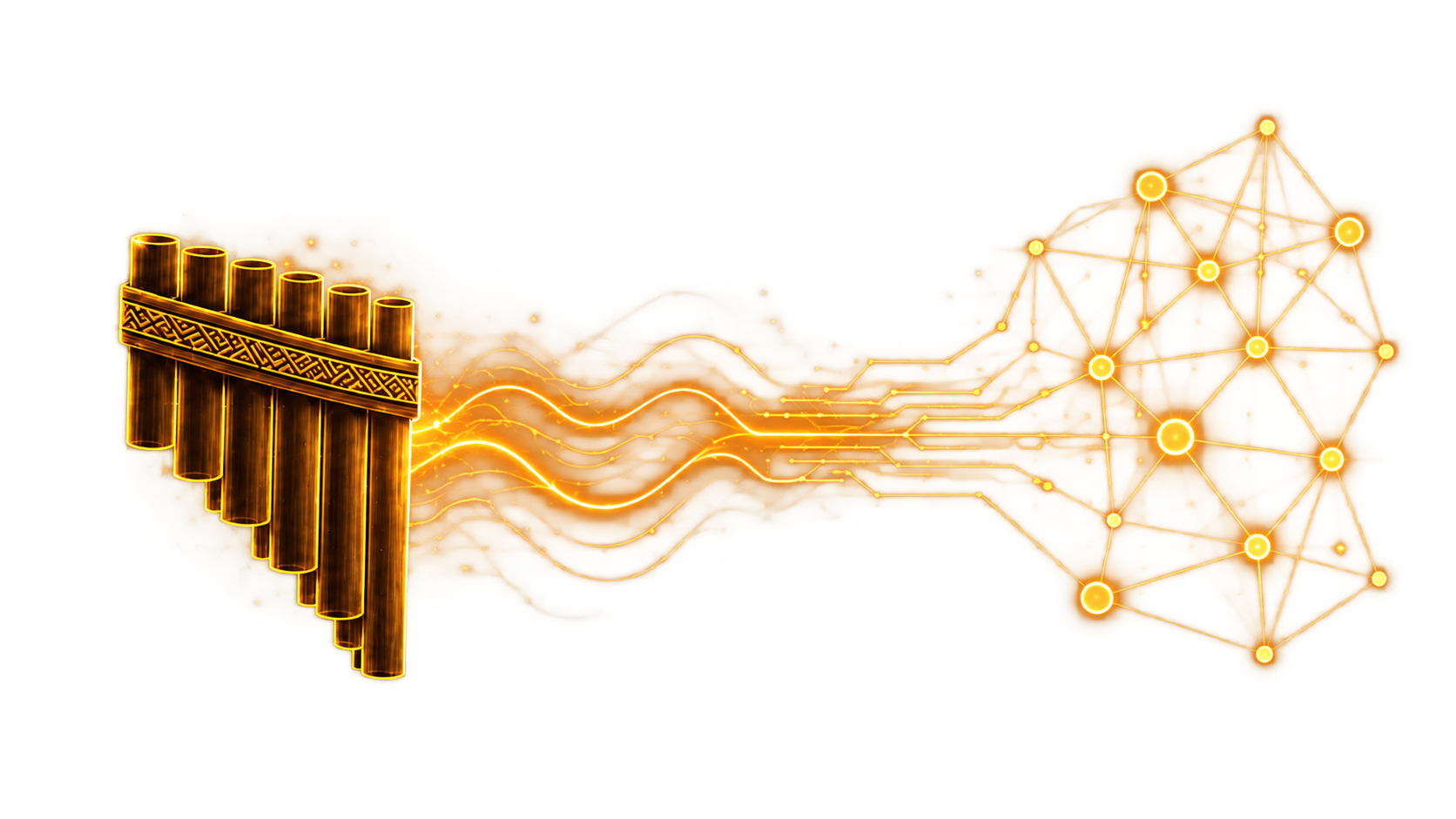
AI Music Integration at Dakei Entertainment
AI Music Integration is the responsible use of intelligent technology within a human-led music production process. Rather than asking technology to create an artist's identity, we use it to support the work artists, musicians, producers and engineers are already doing — analysing a performance, detecting tempo, converting audio into editable data, restoring damaged recordings, assisting with mix decisions, or helping a songwriter organise an idea.
"The technology supports the process. The creative vision, cultural meaning and final decisions remain human."
< Our philosophy />
AI should assist creativity, not take ownership of it
Music carries identity, language, memory, emotion, culture and lived experience. These qualities cannot be reduced to a prompt or replaced by an automated system. AI-assisted tools may improve workflow, explore possibilities or solve technical challenges — but they are not allowed to remove the artist from the creative process. This means:
- The artist remains involved in all important creative decisions.
- Technology is used according to the needs of the project.
- Natural performance and musical expression are preserved wherever possible.
- Original musicians, composers and rights holders are respected.
- AI-generated material is treated carefully and transparently.
- Copyright, consent, ownership and cultural responsibility are considered throughout.
< In the studio />
Intelligent tools in a professional workflow
Dakei Entertainment already works with intelligent and AI-assisted features inside professional production environments, including Cubase Pro and Fender Studio Pro 8 — integrated into practical studio work rather than treated as a separate novelty.
"The purpose is not to make every performance mechanically perfect — it's to create greater control while protecting the emotion, timing and personality that make it unique."
< The process />
From live performance to modern production
Many powerful performances are recorded without a click track — tempo naturally moves with the emotion of the song. This is common in live recordings, traditional music, worship music and older studio sessions, and it can be difficult to edit on a conventional production grid. Using intelligent tempo detection and audio analysis, we can:
"The technology follows the musicians before asking the musicians to follow the technology."
< Practical services />
Practical AI-assisted music services
Every result here is reviewed and shaped by a producer — nothing is accepted automatically.
Live-performance tempo mapping
We build a tempo map that follows the natural movement of a click-free recording — ready for editing, extra instrumentation, MIDI programming, vocal production and mixing.
Timing & rhythm analysis
Intelligent tools identify transients, rhythmic patterns and performance timing, letting us make focused corrections without changing the whole performance.
Audio-to-MIDI conversion
Melodies, bass lines and rhythms converted into MIDI for rebuilding an instrument, layering sounds, notation references or replacing demo sounds — always producer-reviewed.
Vocal editing & alignment
Support for pitch, timing and alignment issues, tightening backing vocals and reducing noise — to support the vocalist, not remove the natural identity of the voice.
Arrangement development
Exploring song structure, instrumentation and harmony ideas, alternative arrangements and reference-track development — final decisions guided by artist and producer.
Intelligent mixing assistance
Analysis of frequency balance, dynamics and masking helps identify conflicts and improve clarity — the system flags a problem, the producer decides the fix.
Mastering assistance
AI-assisted analysis of loudness, tonal balance and playback compatibility supports the process — critical listening and professional judgement make the final call.
Demo enhancement
From a phone recording or voice note, we can reduce noise, identify tempo, organise structure and build a production reference — the foundation for a full recording.
< Restoration & archives />
Audio restoration & archival work
Older recordings may hold valuable music, oral history and performances that cannot be recreated — but they may also suffer from noise, hum, hiss, distortion or damage. Restoration doesn't mean making an old recording sound artificially modern; the objective is to reveal what's already there and preserve it for future listening, study and cultural use.
Common issues we work with
Restoration work available
< Cultural responsibility />
Cultural music preservation
Access without loss of control
As technology becomes more powerful, it must also become more responsible. Traditional music, Indigenous knowledge, community recordings and culturally significant performances should not be treated as unrestricted material for automated systems.
Technology may assist with digitising traditional recordings, restoring archival audio, mapping performances that don't follow a fixed Western tempo grid, transcribing melodies, organising oral histories, and supporting intergenerational teaching and preservation.
However, technical access does not automatically provide cultural permission. Where culturally sensitive material is involved, questions of consent, ownership, community authority and appropriate use must be addressed. The aim is preservation without exploitation, access without loss of control, and innovation without erasing cultural meaning.
< Who it supports />
For songwriters
AI-assisted tools help organise ideas and explore possibilities, but the heart of the song still comes from the writer — developing concepts, organising lyrics, testing chord progressions, and turning voice notes into structured demos.
"The strongest songs are created by recognising the idea that genuinely means something."
For producers & musicians
Intelligent tools speed up repetitive work — session organisation, tempo detection, sound replacement, MIDI extraction, mix referencing and metadata prep — so more time goes to creative decisions.
< Responsible AI />
Responsible AI & music rights
AI-generated and AI-assisted music raises real questions about authorship, copyright, performance rights, master ownership and voice replication. We encourage artists to understand the difference between:
Where we draw the line
Artists should know what technology has contributed to a project and what rights may be affected before material is commercially released.
We do not support the unauthorised cloning of an artist's voice, identity or performance. We also do not support using culturally sensitive material without the knowledge or permission of the appropriate people. Responsible innovation requires consent, transparency and accountability — not just technical ability.
< Training />
AI Music Integration training
Introductory and professional training for artists, producers, students, educators, churches, creative organisations and cultural institutions — delivered as a workshop, masterclass or customised programme, adaptable from beginners to working professionals.
< Who this is for />
Who this service is for
Each project is assessed individually so the technology serves a clear musical or cultural purpose.
< Our approach />
Six principles that guide every project
Human-led
The artist, producer or community remains in control of the project.
Music first
Technology is chosen for the needs of the music, not because it's available.
Culturally aware
Traditional and culturally significant material is handled with care and respect.
Transparent
Where AI plays a meaningful role, its use is understood by the people involved.
Rights conscious
Copyright, performance rights, ownership, consent and identity protection throughout.
Professionally guided
Automated recommendations are reviewed through musical experience and critical listening.
The future of music should still sound human.
AI will keep developing, and production will keep changing. The real question isn't whether technology can create sound — it's whether the sound still carries meaning, intention, identity and connection. We use intelligent tools to help artists work more efficiently, restore valuable recordings and explore new creative possibilities. But the story, the culture, the emotion and the final decision must remain human.
HUMAN CREATIVITY · PROFESSIONAL PRODUCTION · RESPONSIBLE INNOVATION
Discuss an AI-assisted music project
Whether it's a live recording without a fixed tempo, an old recording needing restoration, a rough song demo, or an organisation interested in AI music training — tell us about the music and what you'd like to achieve.
Make an enquiry